Keeping buses clean is no longer just about appearance. For modern transportation companies, tour operators, public transit agencies, and large fleet owners, vehicle cleanliness directly impacts brand image, customer satisfaction, maintenance efficiency, and operational standards.
As fleets grow larger, traditional manual washing methods often become inefficient, labor-intensive, and expensive. This is why many organizations are actively searching for a reliable drive through bus wash system supplier that can provide an automated solution capable of handling high vehicle volumes while reducing operational costs.
In this article, we’ll explore how drive through bus wash systems work, their business benefits, and the key factors fleet operators should evaluate when selecting a supplier.
What Is a Drive Through Bus Wash System?
A drive through bus wash system is an automated vehicle cleaning solution designed specifically for large vehicles such as:
- City buses
- Coach buses
- School buses
- Shuttle buses
- Trucks
- Commercial fleet vehicles
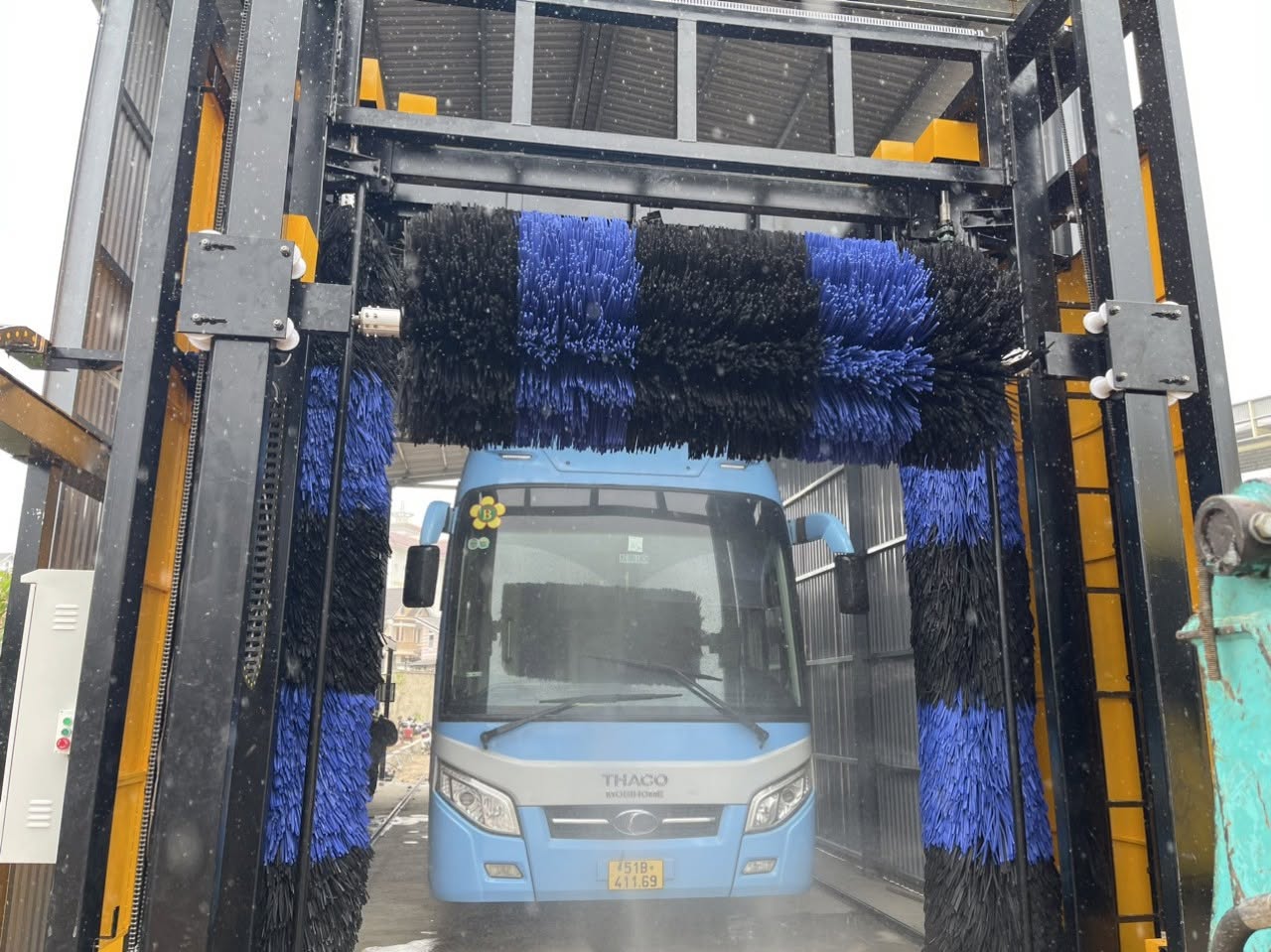
Unlike traditional rollover systems where the vehicle remains stationary while the machine moves around it, a drive through system allows the vehicle to move continuously through the wash bay.
The process is simple:
- The bus enters the wash lane.
- Sensors detect vehicle dimensions.
- High-pressure water jets pre-rinse the surface.
- Soft brushes clean the front, sides, and rear.
- Detergent application removes dirt and road grime.
- Final rinse and optional drying complete the process.
The entire operation can often be completed in just a few minutes.
For transportation companies operating dozens or hundreds of vehicles daily, this efficiency creates significant advantages.
Why Fleet Operators Are Moving Toward Automation
1. Faster Vehicle Turnaround
Time is one of the most valuable resources in fleet management.
Manual washing can take anywhere from 20 to 40 minutes per vehicle depending on size and contamination levels.
A drive through wash system can reduce cleaning time dramatically.
This allows operators to:
- Return vehicles to service faster
- Reduce downtime
- Improve scheduling flexibility
- Increase daily washing capacity
For companies managing large fleets, even small time savings per vehicle can translate into substantial operational benefits.
2. Reduced Labor Dependence
Labor shortages are becoming a global challenge.
Finding, training, and retaining vehicle wash staff can be difficult and expensive.
A modern automated wash system significantly reduces reliance on manual labor by automating:
- Water spraying
- Brush movement
- Chemical application
- Wash sequencing
Instead of a large wash crew, operators often require only minimal supervision.
This can reduce long-term staffing costs while improving operational consistency.
3. Consistent Cleaning Quality
One challenge with manual washing is inconsistency.
Different employees may clean vehicles differently.
Some areas may be overlooked, while others receive excessive attention.
Automated systems solve this problem by following a standardized wash cycle every time.
Benefits include:
- Uniform cleaning quality
- Improved fleet appearance
- Better customer perception
- Reduced complaints
For public transportation and tourism companies, consistency is critical to maintaining a professional image.
4. Lower Long-Term Operating Costs
Many fleet managers initially focus on equipment investment costs.
However, the more important metric is total cost of ownership.
Modern drive through systems can reduce:
- Labor expenses
- Water consumption
- Chemical waste
- Vehicle downtime
Many systems now include water recycling technologies that further improve operating efficiency.
Over time, these savings can significantly improve return on investment.
Industries That Benefit Most from Drive Through Bus Wash Systems
Public Transit Agencies
City transportation operators often wash dozens or hundreds of buses daily.
Automated washing helps maintain cleanliness standards while minimizing labor requirements.
Coach and Tour Operators
Tourism companies rely heavily on vehicle presentation.
Clean buses contribute to passenger confidence and overall customer experience.
School Transportation Providers
Parents and school districts expect vehicles to be clean and well-maintained.
Automated washing supports safety and professionalism.
Airport Shuttle Fleets
Airport transportation services often operate around the clock.
Quick cleaning cycles help maximize vehicle availability.
Logistics and Commercial Truck Fleets
Many drive through systems can also accommodate trucks, creating additional operational flexibility.
Key Features to Look for in a Drive Through Bus Wash System Supplier
Not all suppliers offer the same level of technology, support, or experience.
Before investing, fleet operators should evaluate several important factors.
Industry Experience
Look for suppliers with proven experience in:
- Bus wash systems
- Commercial fleet washing
- Transportation industry projects
Experienced manufacturers typically understand operational challenges better and can recommend suitable configurations.
Equipment Reliability
A bus wash system is expected to operate daily under demanding conditions.
Important considerations include:
- Structural durability
- Corrosion resistance
- High-quality motors
- Industrial-grade components
Reliable equipment minimizes downtime and maintenance expenses.
Custom System Design
Every fleet operation is different.
A good supplier should assess:
- Vehicle dimensions
- Fleet size
- Daily wash volume
- Available installation space
Customizing the system helps maximize efficiency and long-term performance.
Water Recycling Options
Sustainability is increasingly important worldwide.
Modern suppliers often provide:
- Water reclamation systems
- Filtration units
- Water-saving technologies
These features help reduce operating costs while supporting environmental objectives.
Technical Support and Service
After-sales support is often overlooked during the purchasing process.
Evaluate:
- Installation assistance
- Training programs
- Spare parts availability
- Technical response times
A strong support network can prevent costly disruptions.
Why the Right Supplier Matters
Purchasing a bus wash system is not simply buying equipment.
It is investing in a long-term operational solution.
The right supplier helps you:
- Design the optimal layout
- Select suitable technology
- Improve fleet efficiency
- Reduce operating expenses
- Support future expansion
A poorly designed system may create bottlenecks, increase maintenance costs, and reduce overall return on investment.
This is why experienced fleet operators focus not only on machine specifications but also on supplier expertise and support capabilities.
Contact GO&GO today to discuss the ideal bus wash solution for your fleet operation and receive expert guidance tailored to your facility and operational requirements.
Hotline: (+84) 913.381.954 – (+84) 913.111.557
