
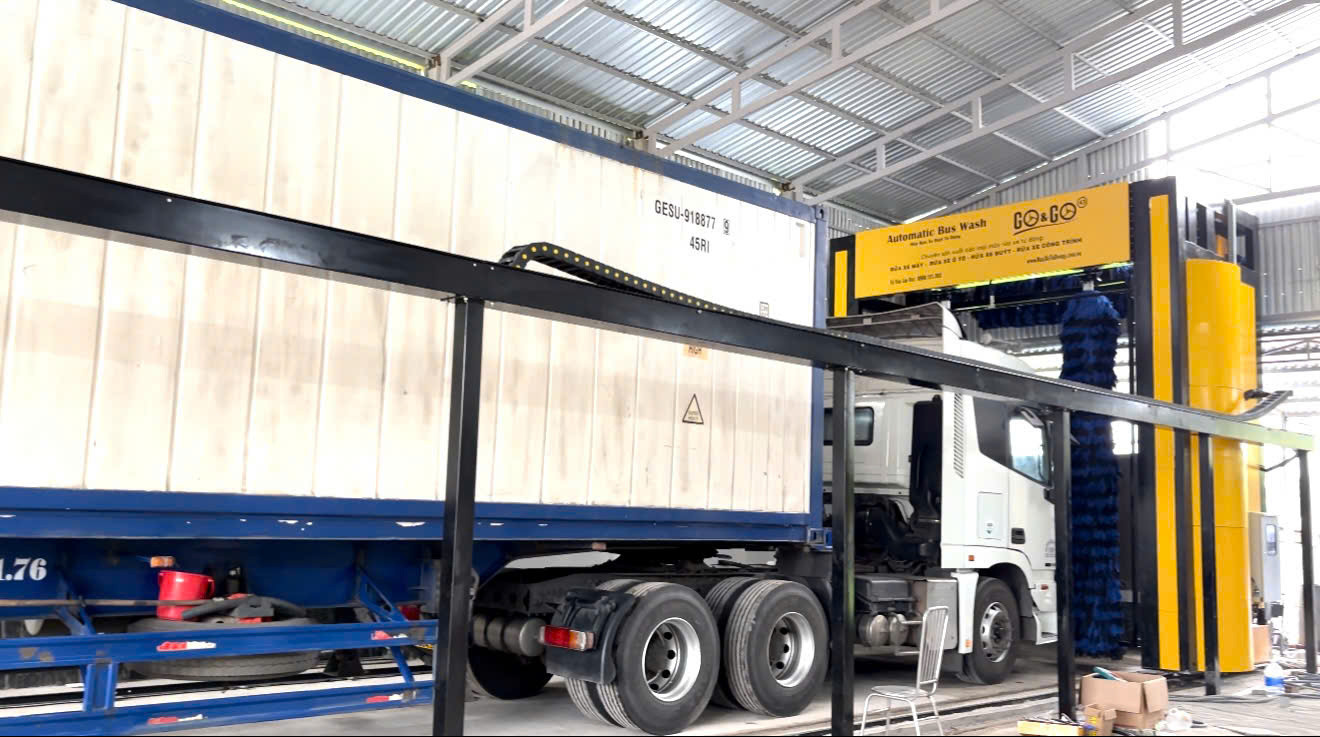
In today’s transportation industry, vehicle appearance is more than just aesthetics. A clean bus reflects professionalism, strengthens brand image, and improves passenger confidence. For fleet operators managing dozens or even hundreds of buses, maintaining vehicle cleanliness every day can become a significant operational challenge.
This is why many transportation companies are turning to the Gantry Bus Wash Machine 3 Brush system as a practical and efficient solution for fleet cleaning. Rather than relying entirely on manual labor, this automated technology helps businesses improve productivity, standardize wash quality, and streamline operations.
What Is a Gantry Bus Wash Machine 3 Brush?
A gantry bus wash machine is an automated vehicle washing system designed specifically for large vehicles such as:
- City buses
- School buses
- Shuttle buses
- Coaches
- Transit fleets
- Airport buses
- Government transportation vehicles
The term “3 Brush” refers to the machine’s configuration:
- Two vertical side brushes
- One horizontal top brush
Together, these brushes clean the front, sides, rear, and roof of the vehicle in a fully automated process.
Unlike drive-through systems where vehicles move through the wash tunnel, a gantry system typically operates with the vehicle parked in a fixed position while the wash machine moves around it.
This design makes gantry systems highly suitable for bus depots, transportation hubs, and fleet maintenance facilities where space efficiency is important.
Why Bus Operators Need Automated Washing Solutions?
As transportation companies grow, maintaining vehicle cleanliness becomes increasingly difficult using traditional washing methods.
Many fleet managers face common challenges:
Labor Shortages
Finding and retaining reliable washing staff is becoming more difficult in many countries.
Manual bus washing often requires multiple workers per shift, creating ongoing labor costs and management challenges.
Long Cleaning Times
Hand washing large buses takes significant time.
When dozens of vehicles require cleaning each day, delays can impact fleet schedules and operational efficiency.
Inconsistent Results
Manual cleaning quality often depends on worker experience and effort.
Different employees may produce different results, making it difficult to maintain a consistent company image.
Rising Operating Costs
Labor expenses, water consumption, and cleaning chemicals all contribute to increasing operating costs.
Businesses need smarter ways to maintain cleanliness while controlling expenses.
How a 3 Brush Gantry Bus Wash Machine Works?
The cleaning process is designed to be simple, fast, and repeatable.
Step 1: Vehicle Positioning
The bus enters the wash bay and stops at the designated location.
Position sensors help ensure accurate alignment.
Step 2: Pre-Wash Spray
High-pressure water removes loose dirt, dust, mud, and debris from the vehicle surface.
Step 3: Detergent Application
Specialized cleaning chemicals are evenly applied to the vehicle.
This helps loosen stubborn road grime.
Step 4: Brush Cleaning
The three-brush system performs the primary cleaning process:
- Side brushes clean vehicle panels
- The top brush cleans the roof area
- Front and rear sections are cleaned automatically
Brush pressure is controlled to maintain cleaning effectiveness while protecting vehicle surfaces.
Step 5: Final Rinse
Clean water removes detergent residue and remaining contaminants.
Step 6: Optional Drying
Some systems can be equipped with drying blowers to reduce drying time before vehicles return to service.
Key Advantages of a 3 Brush Gantry Bus Wash System
Increased Washing Capacity
One of the biggest advantages is the ability to wash more vehicles within the same operating period.
A fleet that previously relied on multiple workers can significantly increase throughput using an automated system.
This becomes especially valuable during peak operating periods when buses must return to service quickly.
Consistent Cleaning Quality
Automation eliminates much of the variability associated with manual washing.
Every vehicle follows the same programmed cleaning process, helping maintain a consistent appearance across the entire fleet.
For passenger transportation companies, consistency strengthens brand reputation.
Reduced Dependence on Labor
Many operators struggle with labor shortages and rising wages.
A gantry wash system reduces the number of personnel required for daily washing operations.
Instead of managing a large cleaning crew, operators can often run the system with minimal supervision.
Better Fleet Image
Passengers notice vehicle cleanliness.
A clean fleet creates positive first impressions and communicates professionalism.
This is particularly important for:
- Public transportation agencies
- School transportation providers
- Airport shuttle operators
- Tourism companies
- Luxury coach services
Why the 3 Brush Configuration Remains Popular?
Although larger systems with five, seven, or more brushes exist, the 3 brush configuration continues to be one of the most popular choices worldwide.
Balanced Investment and Performance
For many fleet operators, a 3 brush system provides an ideal balance between:
- Cleaning performance
- Operational simplicity
- Maintenance requirements
- Space efficiency
Easier Maintenance
Fewer moving components generally mean:
- Simpler maintenance
- Lower service requirements
- Reduced downtime
Suitable for Most Bus Types
A properly designed 3 brush gantry system can effectively clean:
- Standard city buses
- School buses
- Intercity coaches
- Shuttle buses
- Fleet transportation vehicles
This versatility makes it attractive for a wide range of operators.
Applications Across Different Industries
Public Transit Fleets
Municipal transportation agencies often operate large fleets that require daily cleaning.
Automated systems help maintain cleanliness without increasing labor costs.
School Transportation
School buses carry students every day and represent the image of the transportation provider.
Regular automated washing helps maintain a professional appearance throughout the school year.
Airport Shuttle Services
Airport operators prioritize efficiency and appearance.
Automated washing allows shuttle vehicles to remain clean while minimizing service interruptions.
Tourism and Coach Operators
Tourist transportation companies rely heavily on first impressions.
A clean coach can positively influence customer perception before the journey even begins.
Corporate Transportation Fleets
Companies operating employee transportation services often use automated washing systems to maintain vehicle standards consistently.
Important Considerations Before Installation
Choosing the right system requires more than simply selecting equipment.
Several factors should be evaluated carefully.
Fleet Size
The number of vehicles washed daily will influence system capacity requirements.
Available Space
Layout planning is critical for efficient vehicle movement and operational safety.
Water Management
Modern facilities increasingly prioritize water conservation.
Many operators choose systems that can integrate with water recycling technology to improve sustainability.
Future Expansion
A growing fleet may require additional washing capacity in the future.
Planning ahead can help avoid costly modifications later.
Technical Support
Long-term reliability depends heavily on installation quality and ongoing support.
Working with an experienced manufacturer helps ensure smooth implementation and maintenance.
Why More Fleet Operators Are Investing in Automation?
The transportation industry continues to face increasing pressure to:
- Improve efficiency
- Reduce labor dependency
- Control operating costs
- Maintain high service standards
Automated washing systems address all of these challenges simultaneously.
Instead of viewing vehicle washing as a routine maintenance task, many fleet managers now see it as an opportunity to improve operational performance.
When properly integrated into depot operations, a gantry bus wash machine can become a valuable long-term asset that supports fleet productivity and brand image.
If you are evaluating a gantry bus wash machine for your transportation business, it is recommended to consult with experienced specialists who can assess your fleet and recommend the most effective solution based on your actual operating conditions.
Hotline: (+84) 913.381.954 – (+84) 913.111.557
