
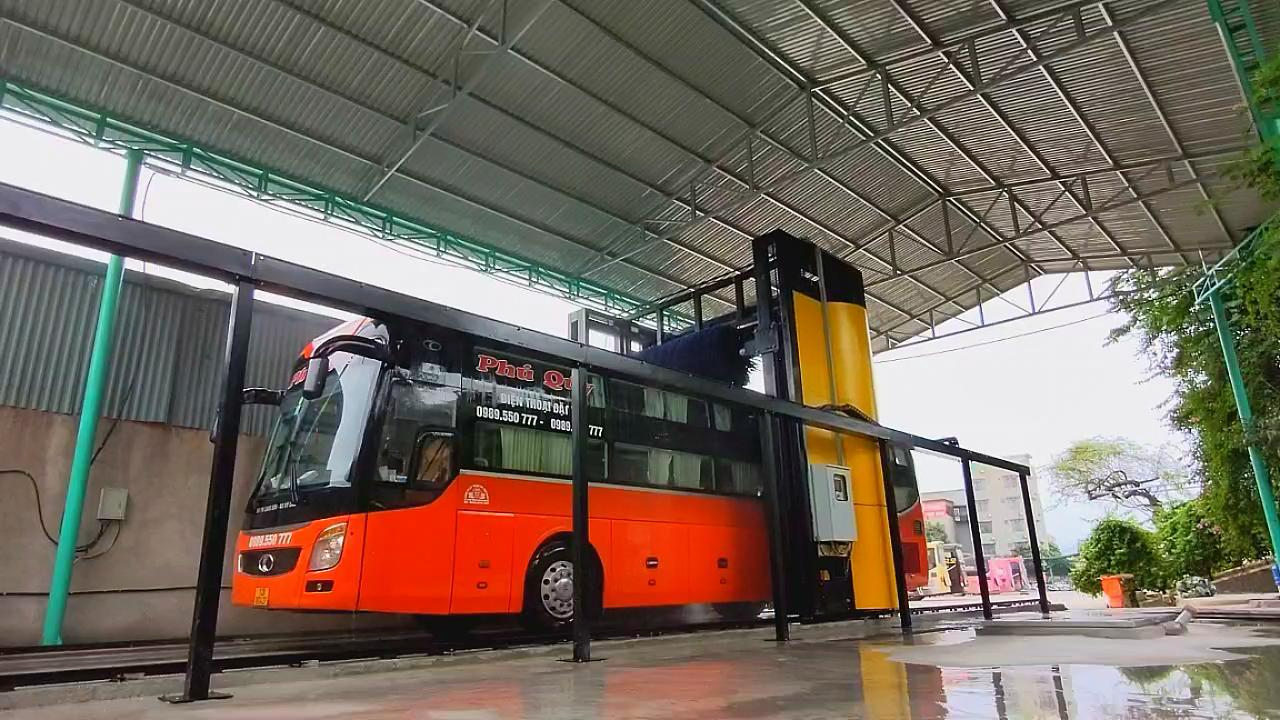
For transportation companies, public transit operators, school bus fleets, and coach service providers, vehicle cleanliness is no longer simply a matter of appearance. A clean fleet reflects operational standards, strengthens brand image, improves passenger confidence, and helps protect valuable assets over the long term.
However, maintaining dozens—or even hundreds—of buses every day using manual labor has become increasingly difficult. Rising labor costs, inconsistent cleaning quality, and operational delays are forcing fleet operators to rethink traditional washing methods.
As a result, automated bus wash systems are becoming the preferred solution for organizations seeking greater efficiency, lower operating costs, and scalable fleet management.
At GO&GO, we work with fleet operators to design automated washing solutions that match real operational requirements rather than offering one-size-fits-all equipment.
Why Manual Bus Washing Is Becoming Less Practical?
Many transportation companies began with manual washing because it required relatively low initial investment.
As fleets expanded, however, several operational challenges emerged.
A single bus often requires 20–40 minutes of manual cleaning depending on its condition. During busy periods, multiple buses may be waiting for washing before returning to service.
This creates several problems:
- Longer vehicle turnaround times
- High labor dependency
- Inconsistent cleaning quality
- Increasing payroll expenses
- Difficulty maintaining service schedules
These issues become even more significant for operators managing dozens of vehicles every day.
The Growing Demand for Automated Bus Wash Systems
Automation addresses many of these challenges by standardizing the washing process.
Instead of relying on multiple workers, an automated bus wash machine performs washing through programmed cycles that include:
- High-pressure pre-rinse
- Detergent application
- Vertical brush cleaning
- Horizontal roof brushing
- Wheel cleaning
- Final rinse
- Optional wax application
- Drying (depending on configuration)
Each vehicle follows the same cleaning process regardless of operator experience.
The result is faster, more consistent cleaning with significantly lower labor requirements.
Key Benefits for Fleet Operators
Faster Vehicle Turnaround
Time directly affects profitability in transportation.
Every minute a bus spends waiting for cleaning is time it cannot generate revenue.
An automated wash system dramatically reduces washing time, allowing more vehicles to return to operation throughout the day.
For companies operating multiple daily routes, this improvement can have a major impact on fleet utilization.
Lower Labor Costs
Labor shortages are becoming a global challenge.
Hiring, training, and retaining wash staff requires continuous investment.
Automated systems greatly reduce dependence on manual labor.
Rather than assigning several employees to wash vehicles, operators only need personnel to supervise equipment and perform routine inspections.
Over time, labor savings become one of the largest contributors to return on investment.
Consistent Cleaning Quality
Manual washing quality varies from employee to employee.
Some workers clean carefully.
Others work quickly during busy periods.
Automation eliminates this inconsistency.
Every wash follows identical programmed parameters, producing predictable results that help maintain a professional fleet image.
Improved Customer Perception
Passengers often associate vehicle cleanliness with overall service quality.
Whether operating:
- Public buses
- Airport shuttle fleets
- School transportation
- Luxury coaches
- Tourism companies
clean vehicles increase customer confidence and strengthen brand reputation.
A professionally maintained fleet also demonstrates higher operational standards during inspections and corporate evaluations.
Suitable Applications
Modern automated bus wash equipment serves many industries, including:
Public Transportation Authorities
Daily washing keeps urban buses clean despite continuous operation.
School Bus Operators
Parents expect school transportation to remain clean and hygienic throughout the academic year.
Airport Shuttle Services
First impressions matter.
Clean shuttle buses improve passenger experience immediately after arrival.
Tourism Companies
Tour buses represent the company’s image.
Consistent cleaning supports premium customer service.
Corporate Employee Transportation
Businesses transporting staff daily benefit from maintaining professional vehicle appearance.
Logistics and Commercial Fleets
Many rollover systems can also wash trucks, delivery vehicles, and specialty commercial fleets.
Choosing the Right Bus Wash System
Not every operation requires the same equipment.
Several factors determine the ideal solution.
Fleet Size
The number of vehicles cleaned each day influences machine capacity and washing speed.
Vehicle Dimensions
Fleet composition may include:
- City buses
- Double-decker buses
- Coaches
- Shuttle buses
- Trucks
Equipment should accommodate the tallest and widest vehicles in operation.
Available Installation Space
Site dimensions affect system layout.
Engineers must evaluate:
- Entry and exit lanes
- Drainage
- Electrical supply
- Water pressure
- Foundation requirements
A properly designed installation minimizes traffic congestion inside the depot.
Cleaning Frequency
Some operators wash vehicles daily.
Others perform cleaning several times per week.
Usage frequency influences equipment selection and maintenance planning.
Water Efficiency Matters
Water consumption is becoming an important operational consideration worldwide.
Many modern bus wash systems incorporate water recycling technologies that filter and reuse water during washing cycles.
Benefits include:
- Lower water consumption
- Reduced utility expenses
- Environmental compliance
- Sustainable fleet operations
For organizations pursuing ESG goals, recycling systems provide additional long-term value.
Why Equipment Reliability Is Critical?
A bus wash machine is not simply another piece of equipment.
It often becomes part of the fleet’s daily operating schedule.
Unexpected downtime can delay dozens of vehicles and disrupt transportation services.
Therefore, buyers should evaluate more than purchase price.
Important considerations include:
- Mechanical durability
- Brush quality
- Control system reliability
- Spare parts availability
- Technical support
- Preventive maintenance programs
- Manufacturer experience
Reliable after-sales support often proves more valuable than choosing the lowest-priced machine.
GO&GO: More Than an Equipment Manufacturer
At GO&GO, we position ourselves as a complete automated vehicle washing solution provider rather than simply a machine supplier.
Every transportation operation has unique requirements.
Instead of recommending identical equipment for every customer, our engineering team evaluates:
- Fleet size
- Vehicle types
- Depot layout
- Daily throughput
- Utility infrastructure
- Future expansion plans
This allows us to recommend a system that aligns with each customer’s operational objectives.
Our services include:
- Site evaluation
- System design
- Equipment manufacturing
- Installation
- Operator training
- Technical support
- Long-term maintenance assistance
The goal is to help customers build a reliable washing operation that delivers measurable business value for years to come.
Is Now the Right Time to Upgrade?
The transportation industry continues to evolve.
Fleet operators are expected to provide:
- Higher service quality
- Better operational efficiency
- Lower operating costs
- Greater environmental responsibility
Manual washing alone is becoming increasingly difficult to scale under these expectations.
Automation offers an opportunity to improve productivity while simplifying daily operations.
The decision should not focus solely on purchasing equipment.
It should focus on improving the overall efficiency of fleet management.
Final Thoughts
Investing in an automated bus wash system is a long-term operational decision rather than simply an equipment purchase.
For transportation companies managing large fleets, automation can reduce labor dependence, shorten turnaround times, improve cleaning consistency, and strengthen brand image—all while supporting sustainable, efficient operations.
Every fleet has different operational needs, so selecting the right solution begins with understanding your vehicles, facility layout, and long-term growth plans.
If your organization is evaluating an automated bus wash system, GO&GO’s engineering team can help assess your facility and recommend a solution tailored to your fleet—not a generic package.
Contact GO&GO today to discuss your project and discover how the right automated wash system can improve fleet performance, reduce operating costs, and support long-term business growth.
Hotline: (+84) 913.381.954 – (+84) 913.111.557
