
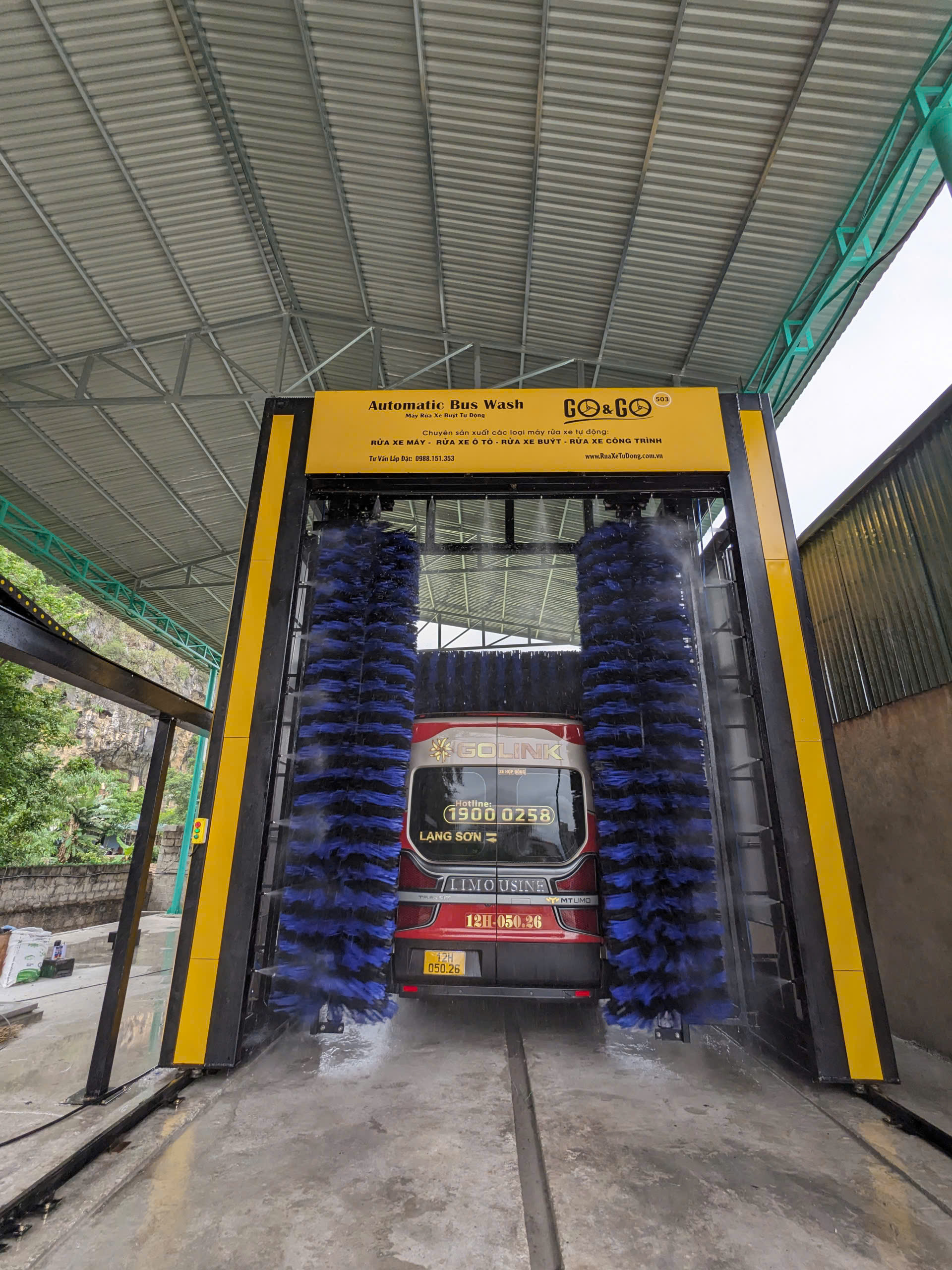
When transportation companies start exploring fleet maintenance solutions, one of the first questions they ask is:
“How much does an automatic bus wash machine cost?”
While price is certainly an important factor, experienced fleet operators know that the real question goes much deeper. The true value of an automatic bus wash system lies not only in its purchase price but also in its ability to reduce labor costs, improve operational efficiency, enhance brand image, and support long-term business growth.
For bus companies operating dozens or even hundreds of vehicles, investing in an automatic bus wash system can become a strategic decision rather than simply an equipment purchase.
Why More Fleet Operators Are Moving Toward Automation
Across many countries, transportation businesses face similar challenges:
• Rising labor costs
• Difficulty hiring and retaining workers
• Increasing customer expectations for clean vehicles
• Pressure to maximize fleet utilization
Traditional manual washing methods often struggle to keep up with these demands.
A large coach or bus may require multiple workers and a significant amount of time to clean properly. When dozens of vehicles return to the depot every day, cleaning operations can quickly become a bottleneck.
Automatic bus wash systems solve this challenge by standardizing and accelerating the cleaning process.
Instead of relying heavily on manual labor, the system automatically performs washing, brushing, rinsing, and surface cleaning through a programmed process.
As a result, operators can clean more vehicles in less time while maintaining consistent quality.
What Determines the Price of an Automatic Bus Wash Machine?
There is no universal price because every transportation company has different operational requirements.
Several factors influence the investment cost:
1. Vehicle Size and Fleet Type
A city bus operator may require a different system than a company operating long-distance coaches, double-decker buses, or commercial transport vehicles.
The dimensions of the fleet directly affect machine specifications and washing capacity.
2. Level of Automation
Basic systems focus on exterior washing.
Advanced solutions may include:
• High-pressure pre-wash systems
• Wheel washing modules
• Underbody cleaning systems
• Water recycling technology
• Smart control systems
• Fleet management integration
More automation typically means a higher initial investment but lower operating costs over time.
3. Daily Vehicle Volume
A depot washing 20 buses per day has very different requirements compared to a facility processing 200 buses daily.
Higher-capacity systems require stronger infrastructure and larger equipment configurations.
4. Site Conditions and Installation Requirements
Available space, water supply, drainage systems, electrical infrastructure, and vehicle traffic flow all influence project cost.
This is why professional site evaluation is critical before selecting a solution.
Looking Beyond the Purchase Price
Many fleet operators focus exclusively on equipment cost.
However, successful investors evaluate the Total Cost of Ownership (TCO).
Key considerations include:
Labor Savings
Manual washing often requires multiple workers every day.
An automated system can significantly reduce labor dependency while improving consistency.
Faster Vehicle Turnaround
A bus that spends less time in the washing area can return to service more quickly.
For transportation companies, faster turnaround means better fleet utilization and greater operational efficiency.
Consistent Cleaning Quality
Customers notice vehicle cleanliness.
Whether operating public transportation, tourism coaches, airport shuttles, or premium passenger services, a clean vehicle contributes directly to customer perception.
Automatic systems ensure every vehicle receives the same cleaning standard.
Reduced Long-Term Operating Costs
Modern bus wash systems are designed to optimize:
• Water consumption
• Chemical usage
• Labor requirements
• Maintenance scheduling
Over several years, these savings can significantly improve return on investment.
Is an Automatic Bus Wash Machine Worth the Investment?
For companies operating only a few vehicles, manual washing may still be sufficient.
However, for organizations managing medium to large fleets, automation becomes increasingly attractive as vehicle numbers grow.
The larger the fleet, the greater the potential benefits:
• Lower operating costs
• Increased washing capacity
• Better vehicle presentation
• Reduced labor dependency
• Improved operational control
This is why bus operators, transportation companies, airports, logistics hubs, and fleet service providers worldwide are increasingly adopting automated washing technology.
Choosing the Right Supplier Matters
The success of a bus wash project depends not only on the equipment itself but also on the supplier’s experience.
A qualified provider should be able to:
• Evaluate your site conditions
• Analyze fleet characteristics
• Recommend suitable system configurations
• Support installation and commissioning
• Provide long-term technical support
Choosing the right partner helps reduce implementation risks and ensures the system performs efficiently throughout its lifecycle.
How much value will the system create over the next five to ten years?
For many fleet operators, automated bus washing is not simply an equipment upgrade—it is a business optimization strategy that improves efficiency, reduces operational costs, and supports long-term growth.
As transportation companies continue to scale and labor markets become more challenging, automation is increasingly becoming a practical solution for maintaining high service standards while controlling operating expenses.
If your company is currently evaluating bus wash automation solutions, a professional site assessment and operational analysis can provide a clearer picture of the most suitable system for your fleet and business objectives.
Please contact or leave your information so GO&GO can provide detailed advice on the model that best suits your needs! Whatsapp: +84 911 431 954
