
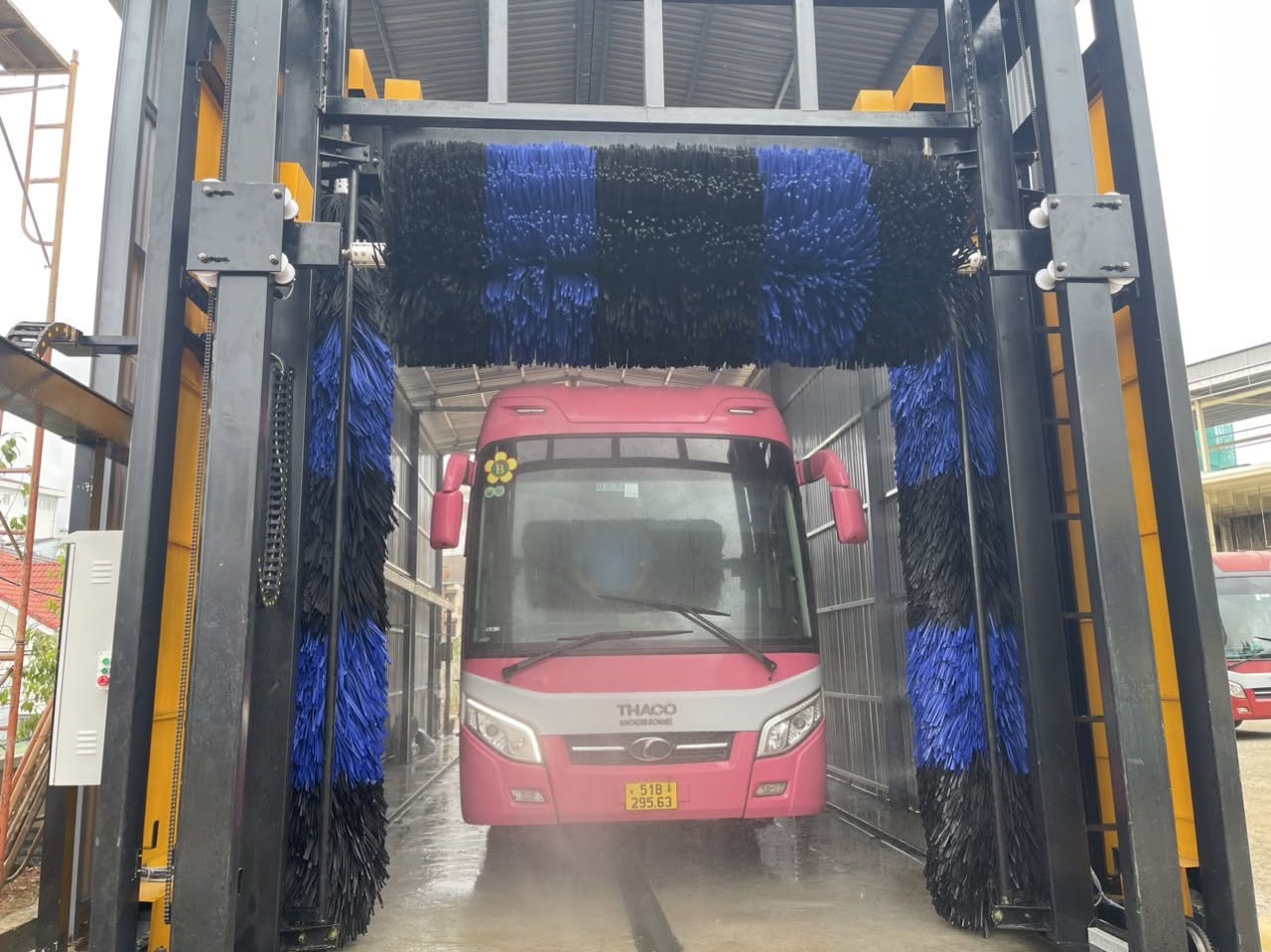
When transport companies begin searching for a bus washing solution, one of the first questions they ask is:
“How much does a bus washing machine with brushes cost?”
It is a reasonable question. Whether you operate a fleet of 20 buses or manage hundreds of vehicles across multiple depots, investing in an automatic bus wash system represents a significant business decision. However, focusing only on the purchase price can sometimes lead to the wrong investment choice.
The real question should be:
What determines the price of a brush bus washing machine, and how can you evaluate its long-term value?
In this article, we’ll explore the key factors affecting bus wash machine pricing, typical cost ranges, operational benefits, and how transport operators can choose the right system for their business.
Why Transport Companies Are Moving Toward Automated Bus Washing
In many countries, transport operators face increasing pressure to maintain clean vehicles while controlling labor costs.
Passengers today expect buses to be clean, professional, and well-maintained. Meanwhile, labor shortages and rising wages make manual washing increasingly expensive.
Traditional bus washing often requires:
• Multiple workers
• Significant water consumption
• Long cleaning times
• Inconsistent cleaning quality
As fleets grow larger, these challenges become more difficult to manage.
This is why many operators are investing in automatic bus washing machines with brushes, which provide consistent cleaning performance while reducing operational costs.
What Is a Bus Washing Machine with Brushes?
A brush bus washing machine is an automated system designed to clean buses, coaches, trucks, and large commercial vehicles.
The machine typically includes:
• Vertical side brushes
• Horizontal roof brushes
• High-pressure water systems
• Detergent application systems
• Programmable wash cycles
• Vehicle contour detection sensors
As the vehicle passes through the system—or as the machine moves around the vehicle—the brushes remove dirt, dust, road grime, and contaminants from the exterior surfaces.
The result is a cleaner vehicle achieved in significantly less time compared to manual washing.
