
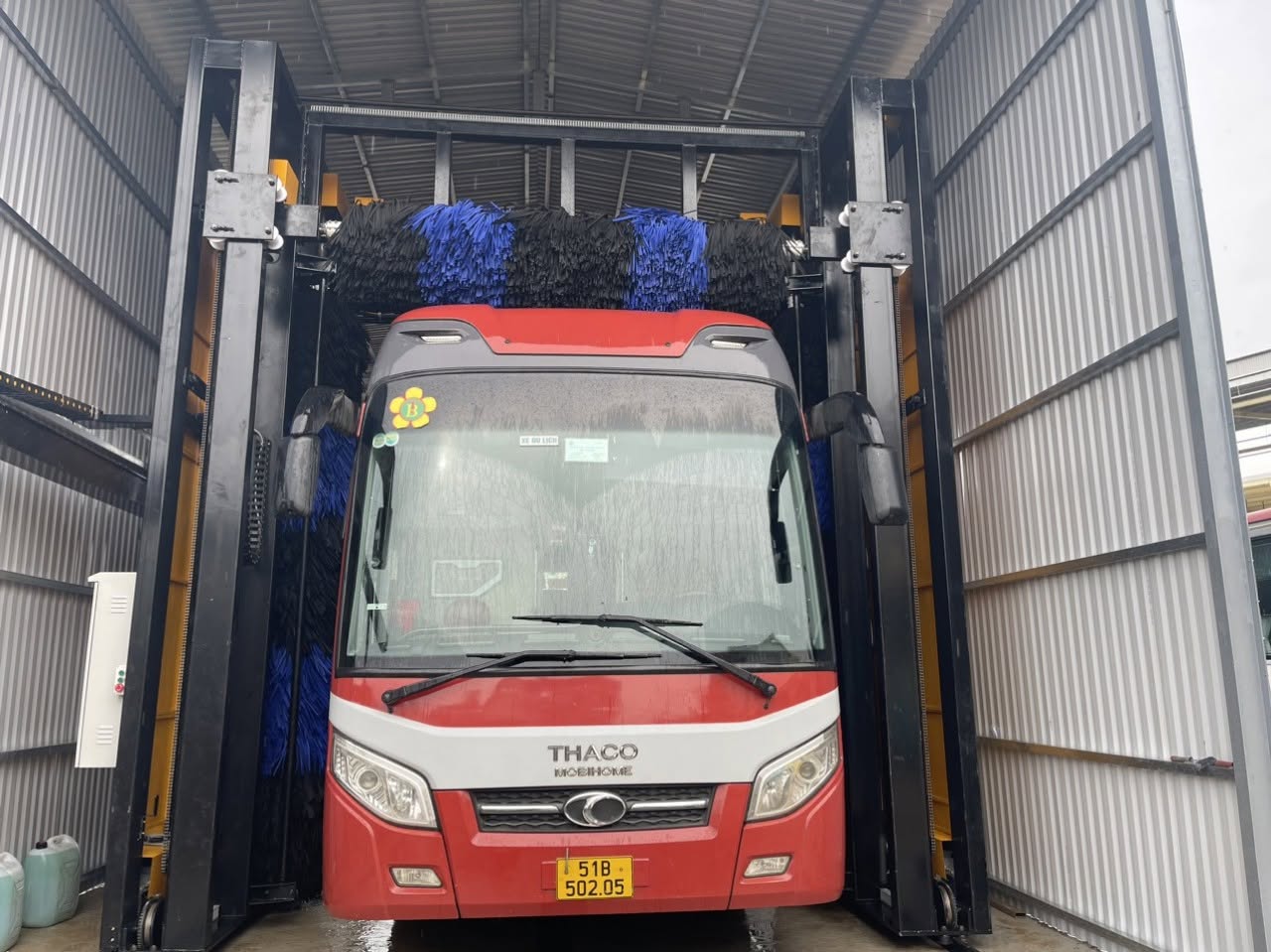
As transportation companies, bus operators, and fleet managers face increasing pressure to reduce operating costs and meet environmental standards, one technology is gaining significant attention worldwide: the bus wash machine with water recycling system.
For many fleet operators, vehicle washing is no longer just a maintenance task. It has become part of a broader strategy to improve operational efficiency, reduce utility expenses, and strengthen environmental responsibility.
If your company manages dozens or even hundreds of buses, understanding how a water recycling bus wash system works can help you make a more informed investment decision.
Why Water Consumption Has Become a Major Concern
Traditional bus washing methods consume a significant amount of water.
A single bus wash can require hundreds of liters of fresh water depending on the washing process and equipment used. When multiplied across an entire fleet operating daily, water costs can become a substantial operating expense.
In many countries, water prices continue to rise while environmental regulations become stricter. Transportation companies are increasingly expected to reduce waste and demonstrate sustainable operating practices.
This is one of the primary reasons why fleet operators are turning to bus wash systems equipped with advanced water recycling technology.
What Is a Bus Wash Machine with Water Recycling System?
A bus wash machine with water recycling capability is an automated washing solution that captures, filters, treats, and reuses a large portion of the water used during the washing process.
Instead of sending all wastewater directly to drainage systems, the recycling unit collects used water and processes it through multiple filtration stages.
These stages typically include:
• Sediment separation
• Oil and grease removal
• Multi-layer filtration
• Water storage and recirculation
After treatment, the recovered water is reused for pre-wash and rinsing cycles.
Fresh water is generally reserved only for the final rinse to ensure optimal cleaning quality.
This process significantly reduces overall water consumption while maintaining high washing performance.
How Does the Water Recycling Process Work?
The operation can be divided into several stages.
Stage 1: Wastewater Collection
During washing, water containing dirt, mud, sand, and road contaminants flows into underground collection channels.
Instead of being discharged, the water is directed into recovery tanks.
Stage 2: Sedimentation
Heavy particles such as sand and gravel settle at the bottom of the tanks.
This simple process removes a large percentage of contaminants before filtration begins.
Stage 3: Oil Separation
Vehicles often carry traces of oil, grease, and fuel residue.
Specialized separators remove these contaminants to prevent system damage and ensure water quality.
Stage 4: Filtration
Water passes through multiple filtration layers designed to remove fine particles and suspended solids.
Advanced systems may include:
• Sand filters
• Carbon filters
• Biological treatment
• UV sterilization
Stage 5: Reuse
Treated water is stored and reused for future wash cycles.
The result is a continuous recycling loop that dramatically reduces freshwater demand.
Key Benefits for Transportation Companies
Significant Reduction in Water Costs
One of the most immediate advantages is lower utility expenses.
Depending on system design and operating conditions, modern recycling systems can recover between 70% and 90% of water used during washing.
For large bus depots, this translates into substantial annual savings.
The larger the fleet, the greater the financial impact.
Compliance with Environmental Regulations
Environmental regulations are becoming increasingly strict worldwide.
Many municipalities now require commercial washing facilities to manage wastewater responsibly and reduce water consumption.
A recycling system helps operators comply with these requirements while minimizing environmental impact.
Improved Corporate Sustainability
Customers, government agencies, and investors are paying more attention to sustainability initiatives.
Companies that invest in environmentally responsible technologies strengthen their reputation and demonstrate long-term commitment to sustainable operations.
For public transportation providers, this can be a valuable competitive advantage.
Reduced Dependence on Local Water Supply
Water shortages and seasonal restrictions can disrupt operations in many regions.
By recycling most of the water used during washing, operators become less vulnerable to supply limitations.
This ensures more consistent operations throughout the year.
Why Automated Bus Wash Systems Are Becoming the Industry Standard
In the past, many fleet operators relied on manual washing crews.
While manual washing can be effective, it often creates challenges:
• High labor costs
• Inconsistent cleaning quality
• Slow throughput
• Excessive water consumption
Automated bus wash machines solve these issues by combining speed, consistency, and efficiency.
When integrated with water recycling technology, the benefits become even more compelling.
Fleet operators can wash more vehicles in less time while consuming significantly fewer resources.
Types of Bus Wash Machines Compatible with Water Recycling Systems
Rollover Bus Wash Systems
Rollover systems remain stationary while the washing equipment moves around the vehicle.
They are ideal for depots with moderate vehicle volume and limited space.
Advantages include:
• Lower space requirements
• High cleaning quality
• Cost-effective installation
Drive-Through Bus Wash Systems
In drive-through systems, vehicles move through a fixed washing structure.
These systems are designed for high-volume operations.
Benefits include:
• Faster throughput
• Continuous operation
• Ideal for large fleets
Customized Fleet Wash Systems
Some transportation companies require specialized solutions for:
• City buses
• Coach buses
• School buses
• Double-decker buses
• Transit fleets
Customized systems can be designed with integrated water recycling units to match specific operational requirements.
Important Factors to Consider Before Investing
Fleet Size
The number of vehicles washed daily directly affects the return on investment.
Higher washing volumes generally justify larger and more advanced recycling systems.
Available Space
The recycling unit requires additional space for tanks, filters, and treatment equipment.
Proper site planning is essential.
Water Costs in Your Region
Areas with higher water prices often achieve faster ROI from recycling technology.
Environmental Requirements
Local regulations may influence system design and wastewater treatment specifications.
Long-Term Operating Goals
Fleet operators should evaluate not only the purchase cost but also long-term savings from:
• Reduced water consumption
• Lower labor requirements
• Improved operational efficiency
Why Many Fleet Operators Are Choosing GO&GO
As transportation companies continue to modernize their operations, GO&GO has become a trusted supplier of automated vehicle washing solutions for commercial fleets.
GO&GO systems are designed to provide:
• Reliable automatic washing performance
• Water-saving technology
• Water recycling integration
• Fleet-specific customization
• Long-term operational efficiency
Whether serving city bus operators, private transportation companies, logistics fleets, or international coach services, GO&GO focuses on helping businesses reduce operating costs while maintaining high cleaning standards.
Contact GO&GO today to discuss the ideal bus wash solution for your fleet operation and receive expert guidance tailored to your facility and operational requirements.
Hotline: (+84) 913.381.954 – (+84) 913.111.557
