
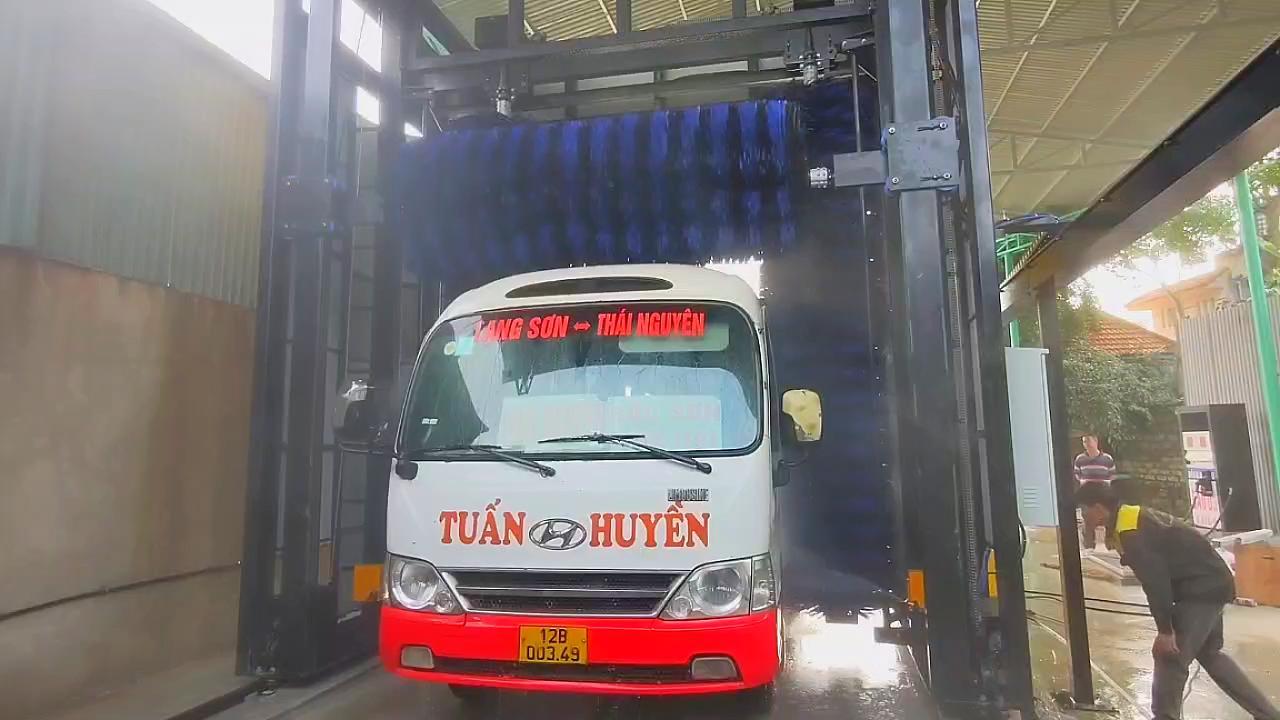
School bus wash system is what this article explains, based on real projects by GO&GO.
School Bus Wash System Price: What Fleet Operators Should Know Before Investing
For school transportation providers, maintaining a clean fleet is not just about appearance. Clean school buses help create a positive impression for parents, support vehicle maintenance programs, and reinforce a professional image for schools and transportation companies alike.
As school districts and private transportation operators expand their fleets, many begin searching for information about school bus wash system price. However, focusing solely on the purchase price can often lead to the wrong investment decision. The more important question is:
Which bus wash solution is the right fit for your fleet size, operational needs, and long-term business goals?
Why School Bus Fleets Are Moving Toward Automated Washing
Traditional bus washing methods rely heavily on manual labor. While this approach may work for small fleets, it becomes increasingly difficult as the number of vehicles grows.
Common challenges include:
- High labor costs
- Inconsistent cleaning quality
- Long washing times
- Water waste
- Difficulty maintaining cleaning schedules during peak seasons
For fleets operating dozens or even hundreds of buses, these challenges can significantly impact operational efficiency.
Automated school bus wash systems were developed to solve these problems by creating a standardized, repeatable cleaning process that delivers consistent results every day.
What Factors Affect School Bus Wash System Cost?
Many fleet managers ask for a price immediately. In reality, there is no universal price because every project is different.
Several factors influence the overall investment:
Fleet Size
A transportation company operating 20 buses has very different requirements compared to an organization managing 200 buses.
The number of vehicles washed daily directly affects system capacity requirements.
Type of Wash System
Different technologies are available, including:
- Rollover bus wash systems
- Drive-through bus wash systems
- Brush wash systems
- Touchless wash systems
- Customized fleet washing solutions
Each option offers unique advantages depending on vehicle volume and operational workflow.
Site Conditions
Installation requirements vary based on:
- Available land area
- Vehicle entry and exit flow
- Water supply
- Drainage systems
- Electrical infrastructure
These factors can influence both installation complexity and long-term operating efficiency.
Automation Features
Modern systems may include:
- Automatic chemical dosing
- Fleet management software
- Vehicle detection sensors
- Water recycling systems
- Remote monitoring capabilities
Additional automation can improve productivity while reducing operating costs over time.
Why Water Recycling Is Becoming Essential
One of the most important considerations for modern transportation companies is sustainability.
School buses require regular cleaning, which can consume significant amounts of water when performed manually.
Advanced bus wash systems often include water recycling technology that:
- Reduces fresh water consumption
- Lowers utility costs
- Supports environmental initiatives
- Helps meet local regulatory requirements
For large fleets, water savings alone can create substantial long-term operational benefits.
The Real Cost Is Not the Equipment
Many buyers compare suppliers based only on equipment pricing.
This approach often overlooks the factors that have the greatest impact on return on investment:
Downtime
A lower-cost system that experiences frequent breakdowns can become far more expensive over its lifetime.
Maintenance Support
Reliable technical support is critical for transportation companies operating on strict schedules.
A bus wash system should be supported by experienced technicians who can respond quickly when needed.
Operating Efficiency
The ability to wash more vehicles in less time directly affects labor costs and fleet availability.
Long-Term Reliability
Fleet operators should evaluate:
- Equipment durability
- Component quality
- Manufacturer experience
- Service network availability
- Spare parts support
A system designed for long-term operation often delivers better value than one chosen solely because of its lower upfront cost.
Choosing the Right School Bus Wash Solution
Before requesting a quotation, transportation companies should evaluate several key questions:
How Many Buses Need Washing Each Day?
Daily washing volume helps determine the ideal system size and configuration.
How Much Space Is Available?
Site dimensions influence whether a rollover or drive-through system is more suitable.
What Are Your Operational Hours?
Some fleets wash vehicles overnight, while others require continuous daytime operation.
What Are Your Sustainability Goals?
Organizations focused on reducing environmental impact may benefit from advanced water recycling solutions.
What Level of Automation Is Required?
Different businesses prioritize different objectives, including:
- Labor reduction
- Faster throughput
- Improved cleaning consistency
- Lower operating costs
Understanding these priorities helps identify the most appropriate system configuration.
Why Consultation Matters More Than Price
The reality is that two transportation companies may operate the same number of buses but require completely different wash solutions.
Factors such as fleet mix, site layout, climate conditions, local regulations, and operational schedules all influence the final recommendation.
That is why experienced suppliers typically begin with a site assessment and operational review before proposing a solution.
Rather than offering a generic price list, a professional consultation helps ensure that the selected system delivers the highest long-term value and performance.
Future-Proofing School Transportation Operations
The transportation industry is increasingly adopting automation to improve efficiency and control costs.
School bus washing is no exception.
Modern automated wash systems help fleet operators:
- Reduce labor dependency
- Improve cleaning consistency
- Increase fleet availability
- Lower water consumption
- Enhance professional fleet appearance
- Support long-term operational growth
As fleets continue to expand, automated washing solutions are becoming a strategic investment rather than simply a maintenance expense.
Conclusion
When researching school bus wash system price, the most important consideration is not finding the cheapest solution. It is finding the right solution for your fleet.
The ideal system depends on factors such as fleet size, available space, operational requirements, automation level, and sustainability goals.
A properly designed bus wash system can deliver years of reliable performance while helping transportation companies reduce costs and improve operational efficiency.
If you are evaluating an automated school bus wash solution for your transportation operation, contact GO&GO for a detailed consultation. Our team can assess your fleet requirements, site conditions, and operational objectives to recommend the most suitable system for your business.
Contact GO&GO today to discuss the ideal bus wash solution for your fleet operation and receive expert guidance tailored to your facility and operational requirements.
Hotline: (+84) 913 111 557
Get advice on school bus wash system from GO&GO
Looking for school bus wash system for your business? GO&GO designs and builds every system at our factory in Vietnam. See the full range of GO&GO automatic car wash machine or WhatsApp (+84) 913 111 557 and our team will help you choose the right school bus wash system. Watch our machines working on GO&GO YouTube channel.
