
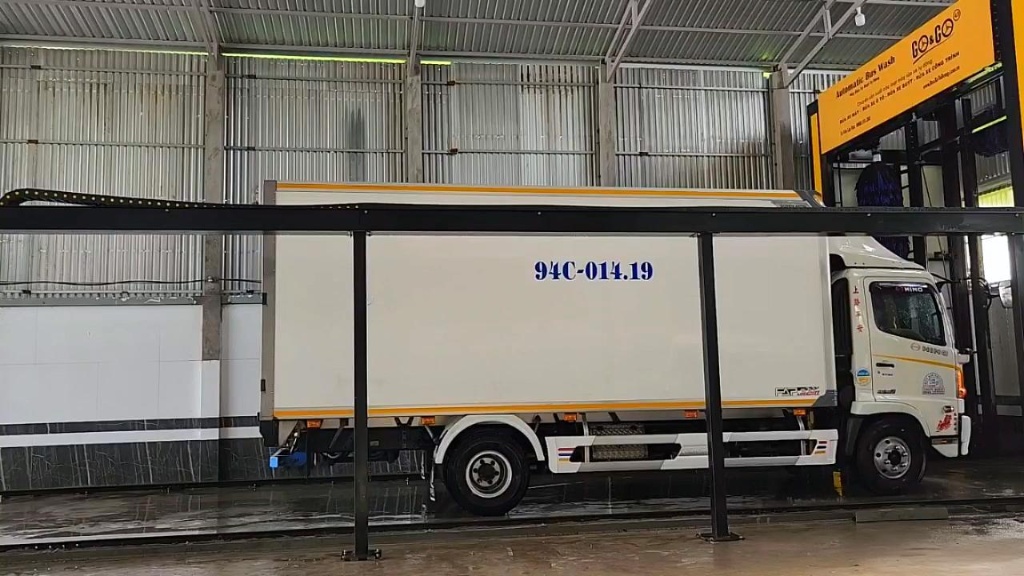
For transportation companies, bus operators, and large fleet owners, vehicle cleanliness is more than just appearance. Clean buses create a professional brand image, improve passenger confidence, and help maintain vehicle value over time.
As fleets grow, however, manual washing becomes increasingly difficult to manage. Labor costs rise, wash quality varies between workers, and vehicles often spend too much time waiting to be cleaned. This is why many fleet operators are now exploring automatic bus wash systems.
One of the most common questions during the evaluation process is:
“How much does it cost to install an automatic bus wash machine?”
The answer depends on several factors, including the wash system type, site conditions, automation level, and optional features. In this guide, we’ll explore the real installation costs and how transportation companies can evaluate the long-term return on investment.
Why Transportation Companies Are Investing in Automatic Bus Wash Systems
Before discussing costs, it’s important to understand why automated washing has become a strategic investment.
A large bus operator may clean dozens or even hundreds of vehicles every day. Traditional washing methods often require:
• Multiple workers per shift
• Significant water consumption
• Long vehicle turnaround times
• Inconsistent cleaning quality
• Continuous labor management
An automatic bus wash system addresses these challenges by standardizing the cleaning process and significantly increasing productivity.
Instead of relying on large wash crews, operators can clean buses faster, more consistently, and with fewer personnel.
For many fleet operators, the installation cost should be viewed as an operational efficiency investment rather than simply equipment expenditure.
Factors That Influence Automatic Bus Wash Installation Cost
There is no universal price because every fleet has different requirements.
Several factors determine the final investment.
1. Type of Bus Wash System
The first factor is the wash technology selected.
Rollover Bus Wash System
In a rollover system, the bus remains stationary while the wash machine moves around the vehicle.
Advantages include:
• Lower space requirements
• Lower initial investment
• Suitable for small and medium fleets
Typical applications:
• City bus depots
• School bus operators
• Regional transportation companies
Drive-Through Bus Wash System
In a drive-through configuration, the vehicle moves through the washing station.
Advantages include:
• Higher throughput
• Faster washing cycles
• Suitable for large fleets
Common users include:
• Airport shuttle operators
• Intercity bus companies
• Public transportation authorities
• Large logistics fleets
Drive-through systems typically require higher installation budgets due to their larger infrastructure requirements.
2. Fleet Size and Daily Vehicle Volume
The number of buses washed per day directly affects system specifications.
For example:
Small Fleet
10–30 buses daily
May only require:
• Basic brush system
• Standard water pressure system
• Simple control panel
Medium Fleet
30–100 buses daily
May require:
• Higher-capacity pumps
• Additional brush configurations
• Automated chemical dosing
• Enhanced control systems
Large Fleet
100+ buses daily
Often requires:
• Industrial-grade components
• Water recycling systems
• Multiple wash programs
• Fleet management integration
• Advanced automation
The higher the throughput requirement, the larger the installation investment.
3. Site Preparation Requirements
One of the most overlooked installation costs is site preparation.
A bus wash machine requires more than just equipment placement.
The facility may need:
Concrete Foundation
Heavy-duty wash systems require reinforced foundations capable of supporting industrial equipment.
Drainage System
Efficient water collection and drainage are essential for continuous operation.
Electrical Infrastructure
Power requirements vary depending on:
• Motor size
• Pump capacity
• Dryer systems
• Automation equipment
Water Supply System
Stable water pressure is necessary to maintain cleaning performance.
In some cases, storage tanks or booster systems may be required.
Site preparation costs vary significantly depending on existing infrastructure.
4. Water Recycling System Installation
Many fleet operators are now prioritizing sustainability.
A water recycling system can reduce fresh water consumption dramatically.
Benefits include:
• Lower water bills
• Reduced environmental impact
• Compliance with local regulations
• Long-term operational savings
Although adding water recycling increases the initial installation cost, it often provides substantial savings over the equipment’s lifetime.
For fleets operating in regions with high water costs, this feature can be particularly valuable.
5. Drying System Options
Not every operator requires vehicle drying.
However, premium transportation brands often prefer buses to leave the wash station completely clean and dry.
Available options include:
Basic Air Drying
Lower investment cost.
High-Power Industrial Dryers
Provides faster drying and better visual results.
Ideal for:
• Luxury coach operators
• Airport transportation services
• Premium fleet brands
Adding industrial drying equipment will increase installation expenses but may improve customer perception and brand image.
Typical Installation Cost Categories
While prices vary by country and project requirements, installation budgets generally fall into three categories.
Entry-Level Systems
Suitable for:
• Small fleets
• Private operators
• School transportation services
Features typically include:
• Standard brushes
• Basic automation
• Manual chemical control
• Limited customization
These systems focus on affordability and operational simplicity.
Mid-Range Fleet Solutions
Suitable for:
• Regional transportation companies
• Medium-sized fleet operators
Typical features:
• Advanced brush configurations
• Automated chemical dosing
• Fleet reporting capabilities
• Improved productivity
This category often provides the best balance between investment and operational efficiency.
Large-Scale Enterprise Systems
Suitable for:
• Public transportation authorities
• National bus operators
• Major logistics companies
Features may include:
• Full automation
• Water recycling systems
• Advanced monitoring
• Remote diagnostics
• Fleet management integration
• High-capacity throughput
Although the initial investment is higher, these systems deliver significant long-term operational savings.
Hidden Costs to Consider
When budgeting for installation, operators should evaluate more than equipment price alone.
Maintenance
Routine maintenance helps maximize equipment lifespan and performance.
Maintenance may include:
• Brush replacement
• Pump servicing
• Sensor calibration
• Software updates
Staff Training
Operators should understand:
• Daily operation
• Basic troubleshooting
• Maintenance procedures
Proper training reduces downtime and improves system efficiency.
Utility Consumption
Although automation often reduces labor costs, operators should still account for:
• Water usage
• Electricity consumption
• Cleaning chemicals
Modern systems are generally designed to optimize resource usage.
How Automatic Bus Wash Systems Reduce Operating Costs
Many transportation companies focus heavily on installation cost while overlooking operational savings.
The real value often comes from:
Reduced Labor Requirements
A manual wash operation may require several workers per shift.
An automatic system can significantly reduce staffing needs.
Faster Vehicle Turnaround
A bus that spends less time being washed can return to service faster.
This improves fleet utilization.
Consistent Cleaning Quality
Automated processes ensure uniform cleaning standards across the entire fleet.
Improved Brand Image
Clean vehicles create a stronger impression on passengers and business partners.
Why Partner Selection Matters
The installation cost is only one part of a successful project.
Choosing the right supplier is equally important.
An experienced manufacturer should provide:
• Site assessment
• System design
• Installation support
• Staff training
• Technical assistance
• Long-term maintenance support
A properly designed system can operate efficiently for many years, making supplier expertise a critical factor in long-term success.
Contact GO&GO today to discuss the ideal bus wash solution for your fleet operation and receive expert guidance tailored to your facility and operational requirements.
Hotline: (+84) 913.381.954 – (+84) 913.111.557
