
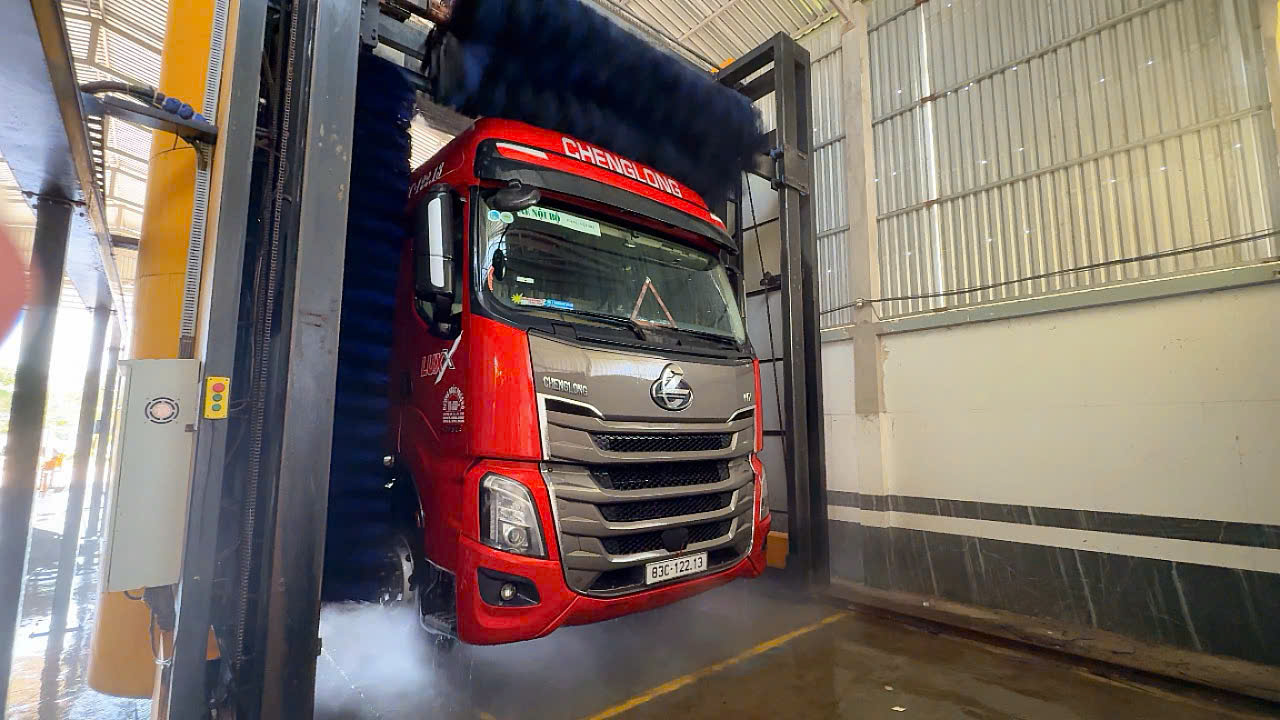
In the transportation industry, vehicle appearance is often seen as a simple maintenance issue. However, for fleet operators, bus companies, and public transportation providers, vehicle cleanliness plays a much larger role. Clean buses help strengthen brand image, improve passenger confidence, support vehicle maintenance programs, and create a more professional operation overall.
As fleet sizes continue to grow, many transportation companies are facing a common challenge: how can hundreds of buses be cleaned efficiently every day without increasing labor costs and operational complexity?
This is where commercial bus wash equipment for fleets has become an increasingly important solution.
Why Traditional Bus Washing Is No Longer Enough
For decades, many transportation companies relied on manual washing methods. Employees used pressure washers, brushes, and detergents to clean buses individually.
While this approach works for small fleets, problems quickly emerge as fleet size increases:
• High labor requirements
• Inconsistent cleaning quality
• Long vehicle downtime
• Rising operational costs
• Water waste
• Difficulty maintaining cleaning schedules
Imagine a company operating 100 buses. If each bus requires 30–45 minutes of manual cleaning, the labor demand becomes significant. During peak operating periods, maintaining cleanliness standards becomes even more difficult.
As transportation businesses seek greater efficiency, automation has become the logical next step.
What Is Commercial Bus Wash Equipment?
Commercial bus wash equipment is a specialized automated cleaning system designed to wash large vehicles such as:
- City buses
- Coach buses
- Shuttle buses
- School buses
- Airport buses
- Double-decker buses
- Fleet transportation vehicles
These systems automate the cleaning process using advanced brush technology, high-pressure water systems, programmable wash cycles, and optional water recycling solutions.
Instead of relying on large teams of workers, operators simply position the vehicle and start the cleaning cycle.
The system handles the rest.
Main Types of Fleet Bus Wash Systems
1. Rollover Bus Wash Systems
Rollover systems remain one of the most popular choices for transportation fleets.
In this setup:
- The bus remains stationary
- The wash machine moves around the vehicle
- Vertical and horizontal brushes clean all surfaces
- Programmable wash cycles ensure consistency
Benefits include:
- Compact installation footprint
- Lower operating costs
- High cleaning quality
- Ideal for depot operations
Many municipal transit agencies prefer rollover systems because they fit easily into existing maintenance facilities.
2. Drive-Through Bus Wash Systems
For large transportation companies, drive-through systems offer maximum throughput.
In this configuration:
- The wash equipment remains fixed
- Vehicles move through the wash tunnel
- Multiple cleaning stages occur automatically
Advantages include:
- High vehicle processing capacity
- Minimal waiting time
- Continuous operation
- Excellent for large fleets
Drive-through systems are commonly used by:
- Public transportation agencies
- Airport transport providers
- Long-distance bus operators
- Corporate fleet services
3. Hybrid Fleet Wash Solutions
Some operators combine automated brushes with manual finishing stations.
This approach provides:
- Automated bulk cleaning
- Detailed finishing when required
- Flexible operational workflows
It is particularly useful for premium coach operators where appearance standards are exceptionally high.
Why Fleet Operators Are Switching to Automated Bus Wash Systems
Reduced Labor Dependency
One of the biggest operational challenges today is workforce management.
Hiring, training, and retaining wash personnel can be difficult and expensive.
Automated bus wash systems significantly reduce labor requirements by handling the majority of cleaning tasks automatically.
This allows transportation companies to:
- Lower labor costs
- Reduce staffing challenges
- Improve operational predictability
Faster Vehicle Turnaround
Time is money in transportation.
Every minute a bus spends waiting for cleaning is time it cannot generate revenue.
Commercial bus wash equipment can typically clean a vehicle in approximately 5–10 minutes depending on system configuration.
Faster turnaround means:
- More vehicles available for service
- Better fleet utilization
- Improved operational efficiency
Consistent Cleaning Results
Manual cleaning often depends on worker experience and motivation.
As a result, cleaning quality may vary from one vehicle to another.
Automated systems follow programmed procedures every time, ensuring:
- Consistent appearance
- Standardized cleaning quality
- Improved fleet presentation
For companies operating under strict branding standards, consistency is extremely valuable.
Lower Long-Term Operating Costs
Although automated systems require an initial investment, they often reduce long-term operating expenses through:
- Reduced labor costs
- Lower water consumption
- Controlled chemical usage
- Reduced vehicle downtime
Over time, these savings can significantly improve total cost of ownership.
Water Recycling: A Growing Priority
Water consumption has become an important concern for transportation companies worldwide.
Modern bus wash equipment can be integrated with water recycling systems that:
- Collect wash water
- Filter contaminants
- Reuse treated water for future wash cycles
Benefits include:
Environmental Sustainability
Companies can significantly reduce freshwater consumption.
Regulatory Compliance
Many regions now encourage or require water conservation practices.
Lower Utility Costs
Reduced water usage directly lowers operating expenses.
For large fleets washing dozens or hundreds of vehicles daily, the savings can be substantial.
Key Features to Look for in Commercial Bus Wash Equipment
When evaluating suppliers, transportation companies should focus on more than just purchase price.
Important considerations include:
Brush Technology
Modern soft brushes provide:
- Effective cleaning
- Surface protection
- Reduced risk of paint damage
High-quality brush materials help extend vehicle appearance and reduce maintenance concerns.
Programmable Wash Cycles
Different buses may require different cleaning programs.
Advanced systems allow operators to customize:
- Wash duration
- Brush pressure
- Chemical application
- Rinse cycles
This flexibility improves efficiency and cleaning quality.
Fleet Management Integration
Many modern systems provide:
- Vehicle counting
- Usage reports
- Performance monitoring
- Maintenance alerts
These features support data-driven operational decisions.
Corrosion-Resistant Construction
Bus wash systems operate in demanding environments involving:
- Water
- Chemicals
- Outdoor exposure
Durable materials such as stainless steel and industrial-grade coatings help maximize equipment lifespan.
Corrosion-Resistant Construction
Bus wash systems operate in demanding environments involving:
- Water
- Chemicals
- Outdoor exposure
Durable materials such as stainless steel and industrial-grade coatings help maximize equipment lifespan.
The Future of Fleet Washing
Transportation fleets are becoming larger, customer expectations are increasing, and operational efficiency is more important than ever.
As a result, commercial bus wash equipment is evolving from a convenience into a strategic operational asset.
Fleet operators that invest in automated cleaning systems can often achieve:
- Faster operations
- Lower costs
- Better vehicle presentation
- Improved sustainability performance
- Greater long-term scalability
For transportation companies managing large fleets, automated bus washing is no longer simply about cleaning vehicles. It is about building a more efficient, professional, and competitive transportation business for the future.
Contact GO&GO today to discuss the ideal bus wash solution for your fleet operation and receive expert guidance tailored to your facility and operational requirements.
Hotline: (+84) 913.381.954 – (+84) 913.111.557
