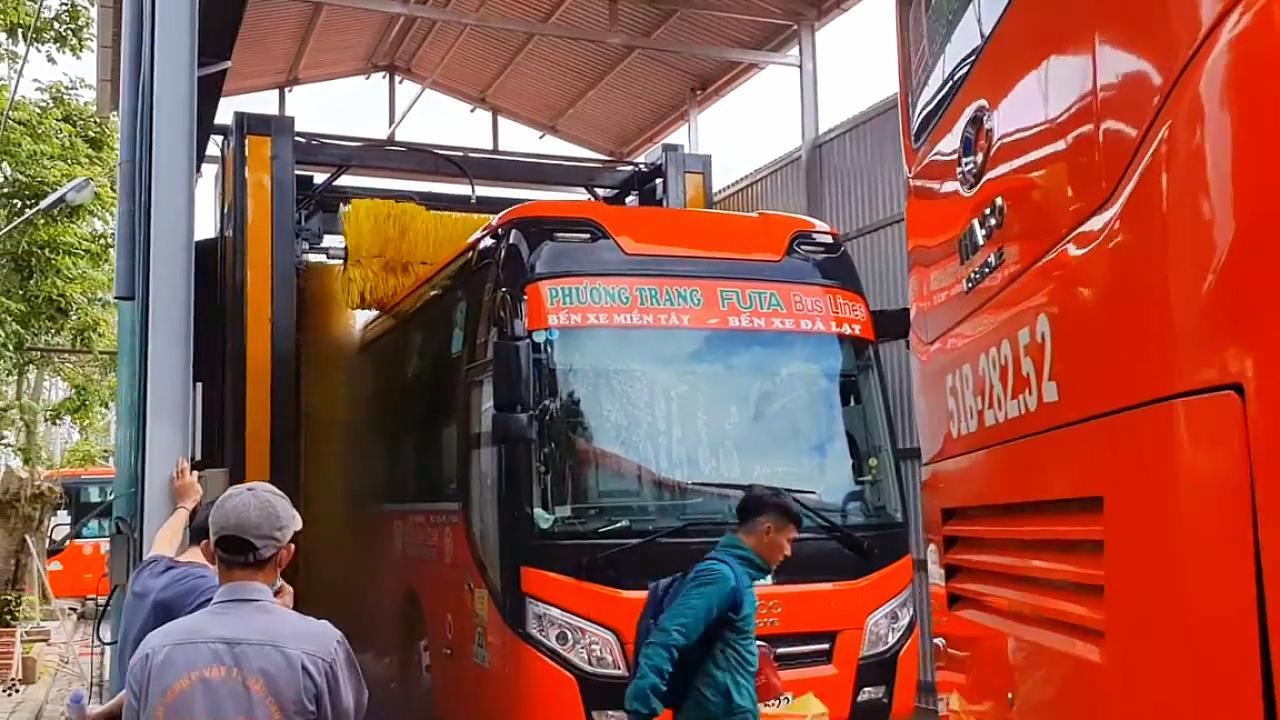
Fleet operators invest in an automatic bus wash machine to improve efficiency, reduce labor costs, and maintain a professional fleet appearance. However, many companies overlook one critical factor that determines the long-term return on investment: proper maintenance.
A well-maintained bus wash system can operate reliably for many years while maintaining consistent wash quality. On the other hand, poor maintenance often leads to unexpected downtime, higher repair costs, excessive water and chemical consumption, and reduced cleaning performance.
As a manufacturer of automated vehicle washing solutions, GO&GO has worked with transportation companies, public transit operators, bus depots, logistics fleets, and commercial vehicle businesses. One lesson remains consistent across every installation: preventive maintenance always costs less than emergency repairs.
This guide explains the essential maintenance practices every fleet operator should follow.
Why Bus Wash Machine Maintenance Matters?
An automatic bus wash system operates every day under demanding conditions.
During each wash cycle, the equipment is exposed to:
- Dirt
- Sand
- Road salt
- Mud
- Heavy dust
- Cleaning chemicals
- High-pressure water
- Continuous mechanical movement
Without routine maintenance, these conditions gradually reduce system efficiency.
A preventive maintenance program helps:
- Extend equipment lifespan
- Reduce downtime
- Lower maintenance expenses
- Improve wash consistency
- Protect sensitive vehicle surfaces
- Reduce operating costs
- Increase overall fleet productivity
For transportation companies operating dozens or even hundreds of buses, even one day of unexpected downtime can disrupt daily operations.
Understanding the Major Components
Before discussing maintenance procedures, it’s important to understand the major parts of a modern rollover bus wash system.
A typical system includes:
- Vertical brushes
- Horizontal roof brush
- High-pressure spray system
- Chemical dosing system
- Water pumps
- Air blowers (optional)
- Sensors
- PLC control system
- Rails and guide tracks
- Motors and gearboxes
- Water recycling system
- Electrical cabinet
Each component has different maintenance requirements.
Daily Maintenance Checklist
Daily inspections only require a few minutes but can prevent major problems later.
Operators should inspect:
Brush Condition
Look for:
- damaged bristles
- uneven wear
- tangled debris
- foreign objects
Dirty brushes reduce cleaning performance and may scratch vehicle surfaces.
Spray Nozzles
Check every nozzle for:
- clogging
- uneven spray
- mineral deposits
Blocked nozzles reduce washing efficiency while increasing water consumption.
Clean immediately if necessary.
Water Pressure
Low water pressure often indicates:
- clogged filters
- leaking pipes
- worn pumps
Correct pressure ensures optimal washing quality.
Chemical Levels
Never allow detergent tanks to run empty.
Incorrect chemical concentration may result in:
- poor cleaning
- excessive foam
- unnecessary chemical waste
Automatic dosing systems should also be inspected daily.
Machine Cleanliness
After each working day:
Remove:
- leaves
- mud
- plastic
- stones
- trash
Keeping the machine clean reduces premature wear.
Weekly Maintenance Procedures
Weekly maintenance focuses on moving components.
Lubricate Moving Parts
Follow the manufacturer’s recommendations for:
- bearings
- rails
- guide wheels
- chain drives
- hinges
Proper lubrication reduces friction and extends component life.
Check Brush Alignment
Misaligned brushes can:
- reduce cleaning quality
- increase motor load
- wear unevenly
Brush pressure should be adjusted according to bus size.
Inspect Water Filters
Filters collect:
- sand
- dirt
- debris
Dirty filters reduce pump efficiency.
Clean or replace them regularly.
Examine Hoses
Look for:
- cracks
- leaks
- worn fittings
Small leaks often become major failures if ignored.
Monthly Maintenance Tasks
Monthly inspections should be more detailed.
Inspect Motors
Check:
- vibration
- unusual noise
- overheating
Electric motors are among the most important components of any bus wash system.
Inspect Gearboxes
Look for:
- oil leaks
- abnormal sounds
- excessive heat
Replace gearbox oil according to manufacturer recommendations.
Tighten Fasteners
Continuous vibration can loosen:
- bolts
- brackets
- supports
Inspect the entire structure monthly.
Electrical System Inspection
Verify:
- cable connections
- sensors
- emergency stop buttons
- PLC status
- electrical cabinet cleanliness
Moisture and dust are common causes of electrical failures.
Water Recycling System Maintenance
Modern fleet wash facilities increasingly include water recycling systems.
These systems reduce:
- freshwater consumption
- wastewater discharge
- operating expenses
However, recycling equipment also requires regular maintenance.
Inspect:
- settling tanks
- sludge accumulation
- filters
- pumps
- water quality
Sludge should be removed before it affects pump performance.
Maintaining the Brush System
Brushes are the heart of friction bus wash systems.
Proper maintenance significantly affects cleaning quality.
Check for:
- worn bristles
- damaged shafts
- balance
- brush pressure
- brush rotation
Brushes should rotate smoothly without vibration.
Excessive pressure does not improve cleaning—it only accelerates wear.
High-Pressure Pump Maintenance
The high-pressure pump performs one of the most demanding tasks.
Routine maintenance includes:
- checking seals
- monitoring pressure
- inspecting oil levels
- replacing worn valves
- cleaning inlet filters
Ignoring pump maintenance often leads to expensive repairs.
Sensor Calibration
Modern automatic bus wash systems rely on multiple sensors to detect vehicle position.
Dirty or misaligned sensors can cause:
- incomplete washing
- incorrect brush positioning
- unexpected machine stops
Sensors should be cleaned regularly using soft cloths.
Avoid abrasive cleaning materials.
Winter Maintenance Considerations
Fleet operators in cold climates should prepare equipment before winter.
Recommended practices include:
- insulating exposed pipes
- using anti-freeze protection where appropriate
- draining unused water lines
- checking heating systems
- inspecting weather seals
Cold-weather preparation prevents frozen pipes and unexpected downtime.
Common Maintenance Mistakes
Many equipment failures result from avoidable mistakes.
Examples include:
Skipping Routine Inspections
Small problems become expensive repairs.
Using Incorrect Chemicals
Low-quality chemicals may:
- damage brushes
- corrode components
- clog dosing systems
Always use chemicals recommended for automated wash equipment.
Ignoring Strange Noises
Unusual sounds often indicate:
- worn bearings
- loose components
- gearbox issues
Early inspection prevents major failures.
Delaying Replacement Parts
Running damaged components for too long increases repair costs.
Preventive replacement is usually more economical.
Staff Training Matters
Even the best equipment depends on proper operation.
Operators should understand:
- startup procedures
- shutdown procedures
- emergency stops
- daily inspections
- cleaning routines
- reporting abnormal conditions
Well-trained operators significantly reduce equipment downtime.
Predictive Maintenance Is the Future
Many modern fleet operators now move beyond traditional maintenance.
Smart bus wash systems can monitor:
- motor load
- pump pressure
- operating hours
- water consumption
- energy usage
- fault history
These data help predict maintenance before failures occur.
Predictive maintenance reduces unexpected downtime while improving long-term reliability.
Why Choosing the Right Manufacturer Makes Maintenance Easier?
Maintenance begins long before installation.
A well-designed machine is easier to maintain because it features:
- accessible service points
- modular components
- durable construction
- high-quality motors
- reliable control systems
- remote diagnostics
- comprehensive documentation
This is one reason many fleet operators choose experienced manufacturers instead of purchasing equipment based solely on initial cost.
At GO&GO, maintenance is considered during the design phase. Our automated bus wash systems are engineered for reliability, easy servicing, and long-term operational efficiency. Beyond manufacturing, our team provides technical consultation, installation support, operator training, preventive maintenance guidance, and after-sales service to help customers maximize equipment performance throughout its lifecycle.
Final Thoughts
An automatic bus wash machine is a long-term investment rather than simply a piece of equipment. Like any critical asset, its performance depends on consistent care and preventive maintenance.
Daily inspections, scheduled servicing, proper operator training, and timely replacement of wear parts all contribute to lower operating costs and higher equipment reliability.
For transportation companies, public transit agencies, logistics operators, and commercial fleet owners, a structured maintenance program not only protects the investment but also ensures vehicles remain clean, professional, and ready for service every day.
If you’re planning a new fleet wash facility or want expert guidance on maintaining your existing system, GO&GO can help. Our engineering team provides tailored recommendations based on your fleet size, operating environment, and maintenance goals—ensuring your bus wash system delivers reliable performance for years to come.
Hotline: (+84) 913.381.954 – (+84) 913.111.557
