
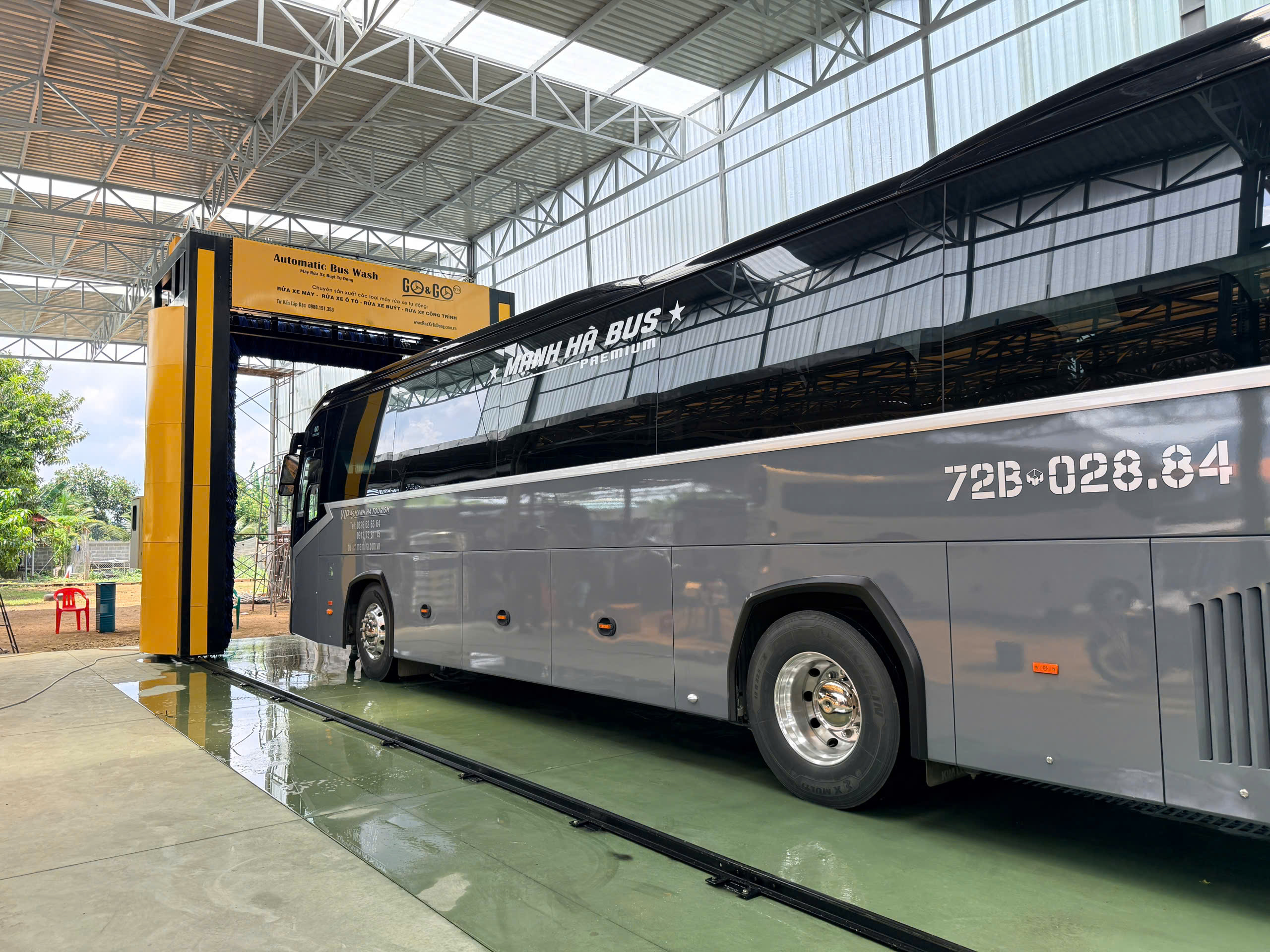
For every transportation company, keeping buses clean is more than a cosmetic task. Clean vehicles strengthen brand image, improve passenger confidence, and help extend the life of vehicle exteriors. However, maintaining a large fleet can become increasingly expensive when cleaning operations rely heavily on manual labor.
Today, many fleet operators are asking a different question. Instead of simply looking for a faster way to wash buses, they want to know how to reduce operating costs while maintaining consistent cleaning quality.
The answer often lies in rethinking the entire washing process rather than focusing only on labor costs.
The Hidden Cost of Manual Bus Washing
At first glance, manual washing appears affordable because the initial investment is relatively low. A pressure washer, cleaning chemicals, and several employees are enough to start operating.
However, as fleet size grows, hidden costs begin to accumulate.
These costs include:
- Increasing labor expenses
- Employee turnover and training
- Longer vehicle downtime
- Higher water and detergent consumption
- Inconsistent cleaning quality
- Reduced fleet availability
For companies operating dozens or even hundreds of buses every day, these expenses can become a significant part of operational costs.
Vehicle Downtime Is More Expensive Than Many Operators Realize
Every minute a bus spends waiting to be cleaned is a minute it cannot generate revenue.
Large transportation companies often operate on tight schedules. Vehicles arriving late for cleaning may delay maintenance inspections or the next scheduled route.
When manual washing creates bottlenecks, the entire operation becomes less efficient.
Reducing cleaning time is therefore not just about convenience—it directly affects fleet utilization.
Why Automation Changes the Economics
Modern automated bus wash systems are designed to standardize every cleaning cycle.
Instead of depending on individual workers, the machine performs programmed washing sequences that deliver consistent results regardless of the operator.
A typical system performs several steps automatically:
- High-pressure pre-rinse
- Detergent application
- Side brush cleaning
- Roof washing
- Front and rear brush operation
- Final rinse
Because every wash follows the same programmed process, quality becomes predictable.
For fleet managers, predictable quality means fewer customer complaints and less rework.
Lower Labor Dependence
Labor shortages are becoming a global challenge.
Many transportation companies report increasing difficulty recruiting and retaining washing staff.
Automated systems dramatically reduce dependence on manual labor.
Instead of employing multiple workers for continuous washing, companies often require only one operator to supervise equipment and guide vehicles into position.
This allows businesses to allocate employees to higher-value operational tasks.
Water Efficiency Matters More Than Ever
Environmental regulations continue becoming stricter across many countries.
Water usage is now an important operating metric rather than simply a utility expense.
Many modern automated washing systems optimize water consumption through controlled spray patterns and optional recycling systems.
The result is:
- Reduced water consumption
- Lower wastewater treatment costs
- Improved environmental compliance
- Better sustainability reporting
These advantages are particularly valuable for public transportation authorities and large commercial fleets.
Consistency Protects Brand Image
Passengers notice clean buses.
A consistently clean fleet creates the impression of professionalism, safety, and operational excellence.
Manual washing quality often varies depending on employee experience, workload, and time pressure.
Automated systems eliminate much of this variation by delivering repeatable cleaning performance every cycle.
For transportation companies operating under long-term contracts, maintaining a professional fleet appearance can support customer retention and strengthen competitive positioning.
Planning Before Purchasing
Not every fleet requires the same solution.
Selecting the right automated wash system depends on several operational factors:
- Fleet size
- Daily washing volume
- Bus dimensions
- Available installation space
- Water supply
- Drainage infrastructure
- Local climate
- Future expansion plans
Choosing equipment based only on purchase price can lead to unnecessary operating costs later.
A properly designed solution should match both current requirements and long-term growth objectives.
The Value of Working with an Experienced Manufacturer
Purchasing equipment is only one part of the project.
Successful implementation also requires:
- Site evaluation
- Layout planning
- Utility recommendations
- Installation support
- Operator training
- Preventive maintenance planning
- Long-term technical service
For this reason, many transportation companies prefer working directly with experienced manufacturers rather than purchasing equipment without engineering support.
At GO&GO, we focus not only on manufacturing automated bus wash systems but also on designing complete cleaning solutions tailored to each customer’s operational requirements.
Every depot has different constraints, and every fleet deserves a solution designed around its workflow.
Looking Beyond Initial Investment
Many fleet operators naturally compare equipment prices during the buying process.
While initial investment is important, experienced operators evaluate total cost of ownership instead.
Factors such as maintenance requirements, equipment reliability, labor savings, water efficiency, and operational uptime often have a much greater financial impact over the life of the system.
When evaluated over several years, an automated washing solution can contribute to lower operating costs while supporting higher fleet productivity.
Final Thoughts
Reducing bus cleaning costs is no longer about asking employees to work faster.
The real opportunity lies in improving the entire cleaning process through automation, standardized workflows, and smarter resource management.
For transportation companies managing growing fleets, investing in the right washing solution can improve operational efficiency, strengthen brand image, reduce labor dependence, and create a more sustainable business model.
If your organization is evaluating automated bus wash solutions for a new depot or upgrading an existing facility, consulting with an experienced manufacturer early in the planning process can help identify the most suitable system based on your fleet size, available space, and long-term operational goals.
